
Workshop
Workshop on the Surveillance, Diagnosis, Control and Prevention of Brucellosis in Arab Countries
November 07, 2024
Read more
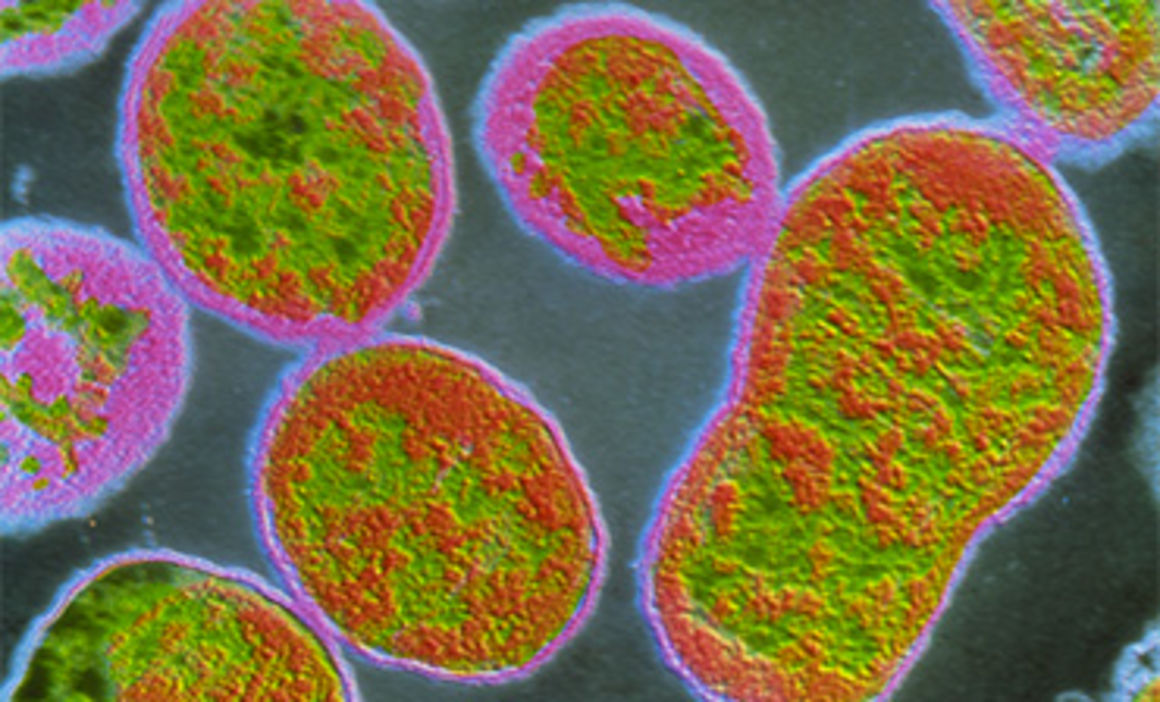
Brucellosis is a contagious disease of livestock with significant economic impact. The disease is caused by various bacteria of the family Brucella, which tend to infect specific animal species. Brucellosis in cattle (B. abortus), in sheep and goats (B. melitensis), and in swine (B. suis) are diseases listed in the WOAH Terrestrial Animal Health Code and must be reported to the WOAH.
Brucellosis is a priority disease for many WOAH Member Countries in the Middle East, particularly in countries where the disease remains endemic, as well as in those that have made significant progress towards its control or eradication.
Although substantial efforts have been undertaken over recent decades to control brucellosis, the disease often remains underdiagnosed and underreported, especially in settings where active surveillance systems are limited. Brucellosis continues to circulate in domestic livestock, particularly small ruminants and cattle, and poses an ongoing risk of transmission to humans. Furthermore, the role of wildlife reservoirs, where present, is not always fully assessed or systematically addressed by Veterinary Authorities.
While several countries in the Middle East have developed strategies to control or eradicate brucellosis in animals and to reduce human infections, based on WOAH international standards, scientific evidence, and validated laboratory methods, the disease remains present in parts of the region. In certain countries and zones, brucellosis continues to be endemic, contributing to a significant burden of human disease. Human cases are frequently associated with occupational exposure, informal livestock production systems, and the consumption of unpasteurised dairy products.
In this zoonotic context, strong intersectoral collaboration under a One Health approach is essential. Improved coordination between animal health, public health, and food safety sectors can support the development of appropriate infrastructure for livestock production, strengthen food hygiene and food safety systems, enhance surveillance and diagnostic capacity, and promote consumer awareness and education. These actions are critical for the sustainable control of brucellosis in the Middle East.
Surveillance using serological tests, as well as tests on milk like the milk ring test, can be used for screening and play an important role in campaigns to eliminate the disease. In endemic areas, vaccination is often used to reduce the incidence of infection. Several vaccines are available that use modified live bacteria. WOAH Manual of Diagnostic Tests and Vaccines for Terrestrial Animals provides detailed guidance on the production of vaccines.
The highest incidence of brucellosis is observed in the Middle East, the Mediterranean region, sub-Saharan Africa, China, India, Peru, and Mexico. Currently, countries in central and southwest Asia are seeing the greatest increase in cases.
Self-Declared Disease Status in the Middle East Members may wish to self-declare the freedom of their country, zone, or compartment from brucellosis in accordance with the WOAH Terrestrial Animal Health Code. For the most up-to-date list of countries with a self-declared Brucellosis status published by the WOAH, please visit the official self-declaration portal.
Recent regional self-declarations include: