INTER-REGIONAL WEBINAR
Rift Valley Fever: Middle East – Africa
July 07, 2021
Read more
Rift Valley fever (RVF) is a vector-borne viral disease that can cause severe illness in domestic animals and poses a significant zoonotic threat. While enzootic in many sub-Saharan African countries, the disease holds particular significance for the Middle East region.
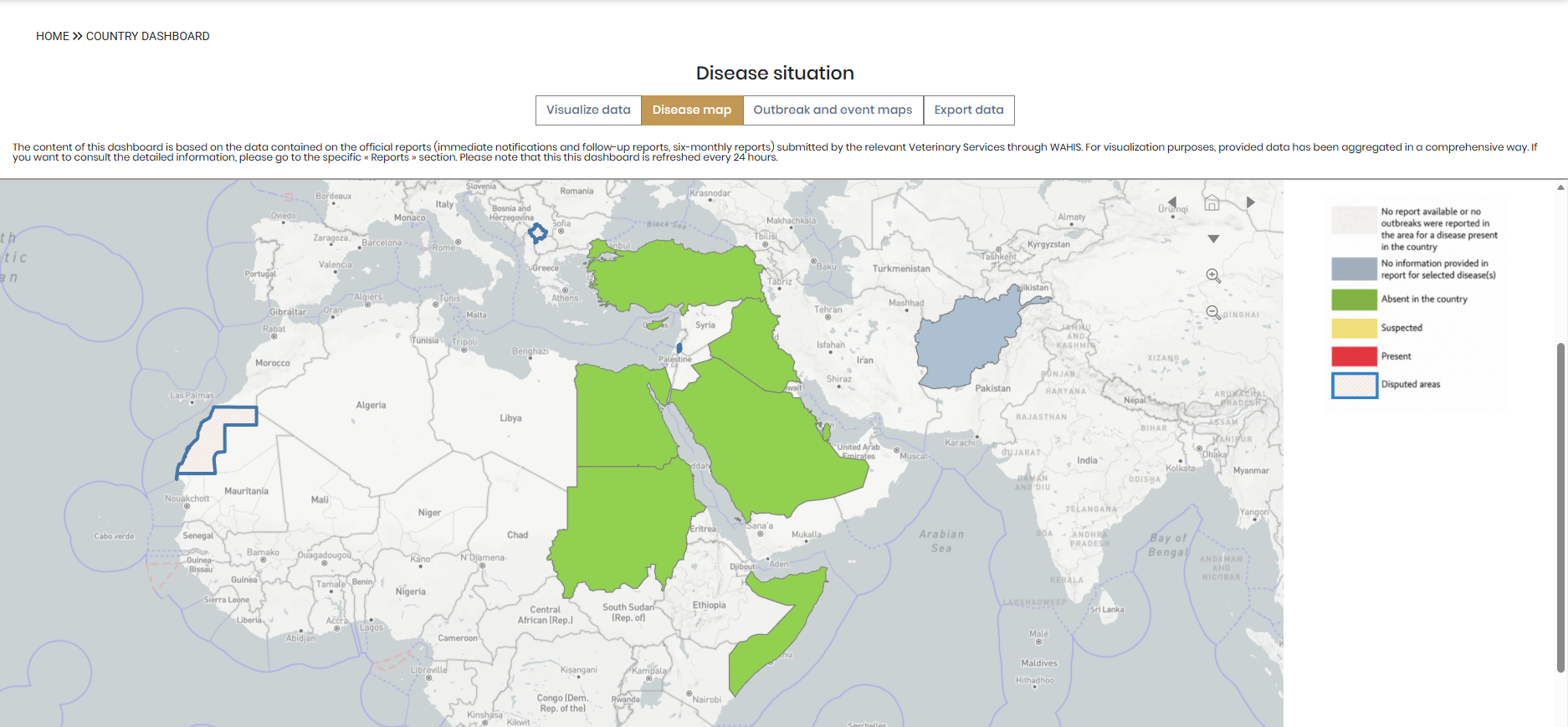
RVF is a viral zoonosis that primarily affects domesticated and wild ruminants and can cause severe disease in humans and animals. The disease was first detected on the Arabian Peninsula in 2000, having spread outside of Africa for the first time to Saudi Arabia and Yemen. This event marked a critical turning point, raising concerns that RVF could extend to other parts of Asia and Europe. Outbreaks have also been reported in Egypt.
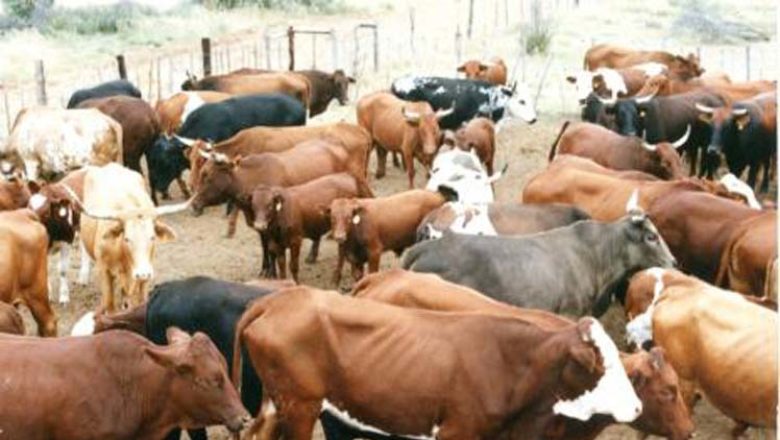
The spread of RVF is closely linked to the livestock trade from the Horn of Africa to the Arabian Peninsula, particularly during periods of high demand coinciding with annual religious occasions. This inter-regional connection underscores the need for coordinated surveillance and control efforts.
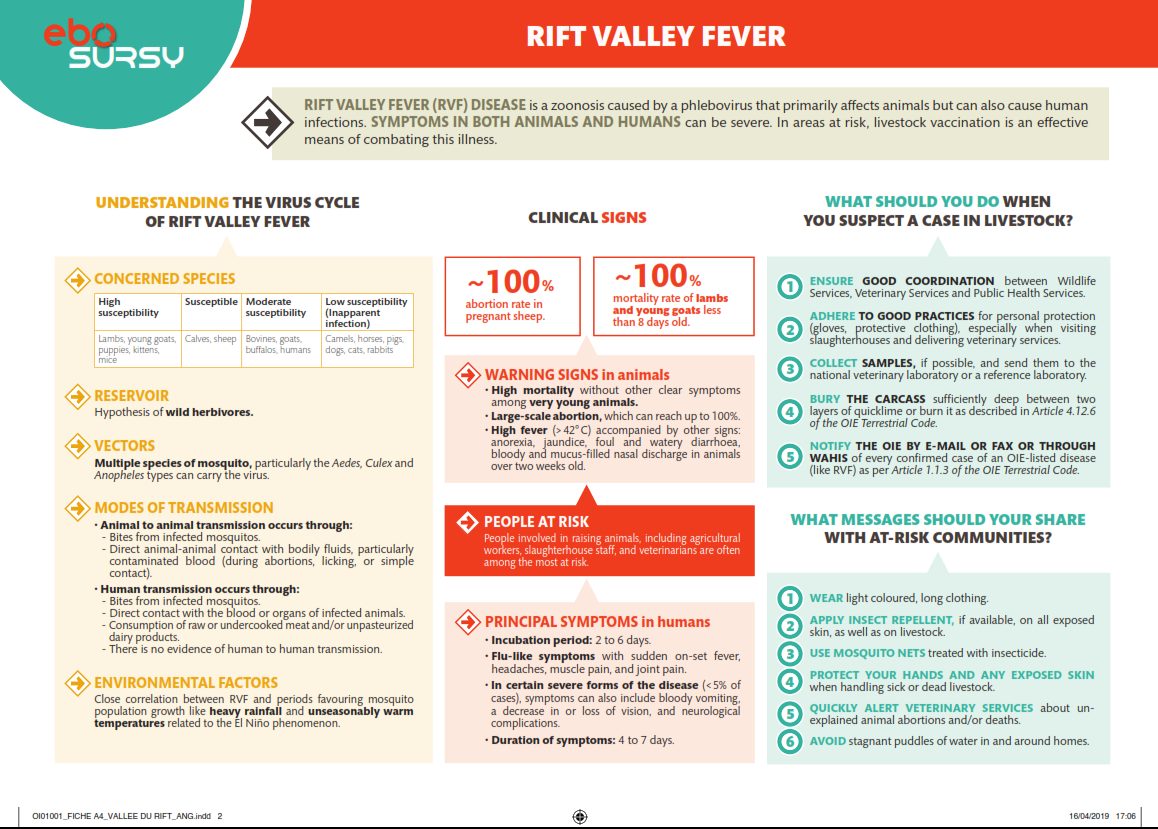
Disease in susceptible animals can vary in severity and is characterised by fever, abortion, neonatal mortality and liver damage, and high morbidity and mortality rates in neonatal animals.
The virus which causes RVF belongs to the genus Phlebovirus, order of Bunyavirales, family Phenuiviridae.
RVF is a WOAH-listed disease and must be reported to the WOAH as indicated in the WOAH Terrestrial Animal Health Code Chapters 1.1 and 8.16 because of its long inter-epizootic intervals, it is also regarded as a re-emerging disease.
Links to WOAH Standards
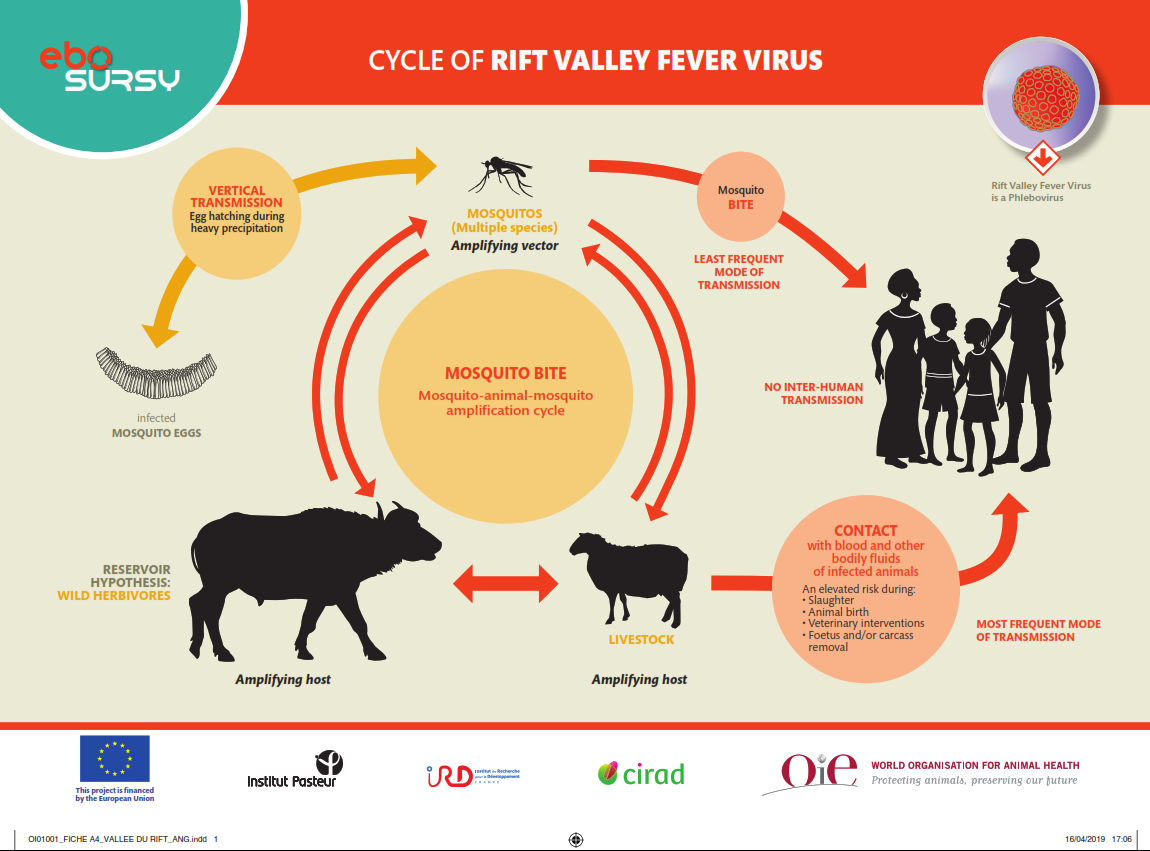
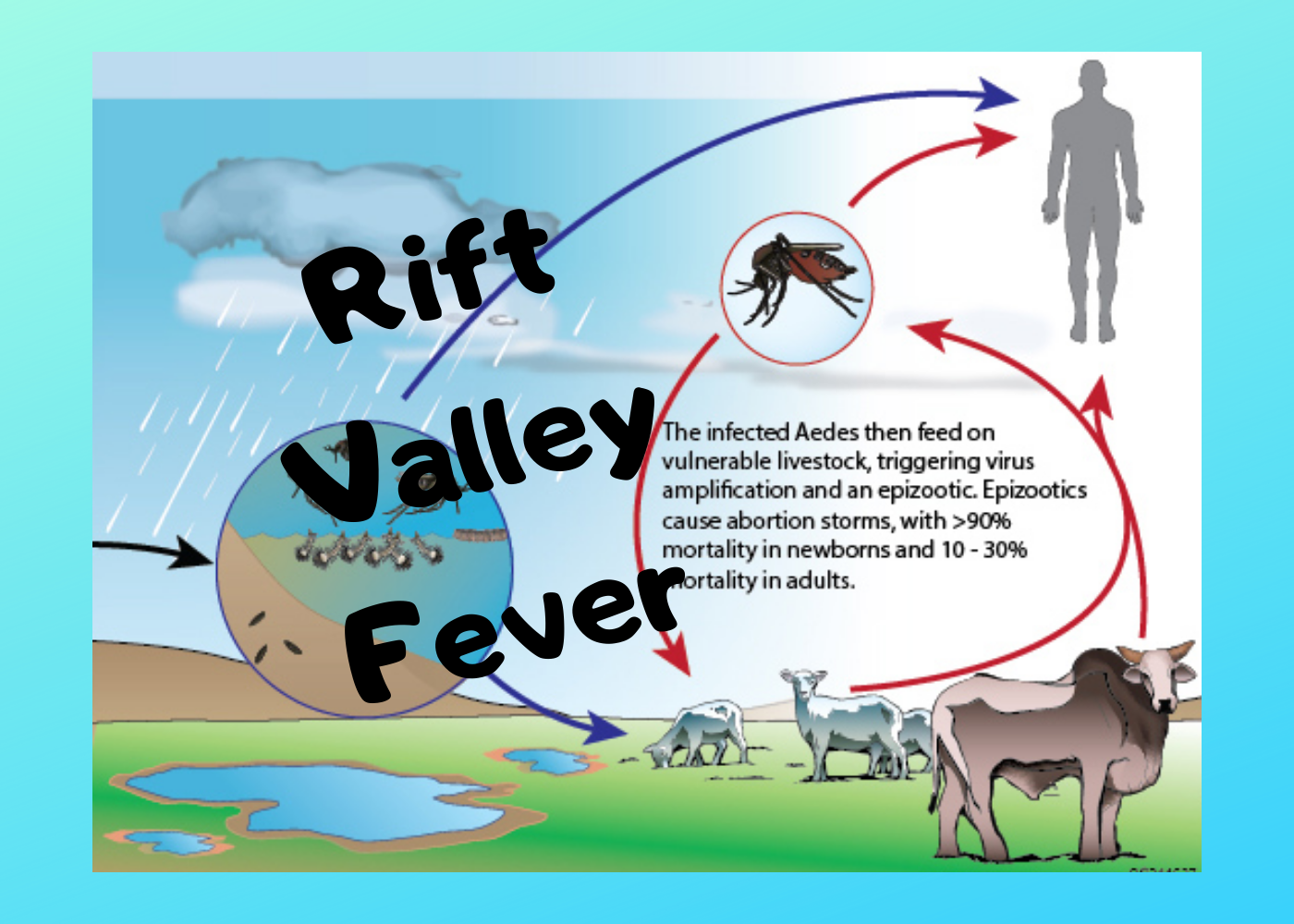
Several different species of mosquitoes are competent vectors for the RVF virus. In the Middle East, rises in incidence of RVF most commonly occur after periods of heavy rainfall and/or flooding, which lead to an abundance of mosquitoes.
Some species of mosquito (Aedes, for example) are capable of transmitting the virus from infected female mosquitoes to offspring via their eggs, allowing the virus to survive prolonged dry periods.
Public Health Risk (One Health Approach)
Rift Valley fever (RVF) is a viral zoonosis that primarily affects animals but also has the capacity to infect humans. The majority of human infections result from direct or indirect contact with the blood or organs of infected animals, putting occupational groups such as herders, farmers, slaughterhouse workers, and veterinarians at higher risk.
Coordinated sharing of information between animal health and public health services is essential for effective implementation of public and animal health interventions under the “One Health” approach.
For more information on public health risk and clinical signs in humans: Rift Valley fever
RVF is a regional problem, and cooperation between neighbouring countries is essential for surveillance, prevention and control. This includes inter-regional collaboration between the Middle East and Africa to manage the risk associated with livestock movement.
Essential elements for prevention and control of RVF include:
Vaccination is the primary option available for prevention of RVF infections in animals in endemic areas.