Regional Coordination Meeting on HPAI Situation in the Middle East and Action Plans Guided by Global HPAI Strategy
December 11, 2024
Read more
Avian influenza (AI) is a highly contagious viral disease affecting several species of food-producing birds (chickens, turkeys, quails, guinea fowl, etc.), as well as pet birds and wild birds. Occasionally mammals, including humans, may contract avian influenza.
There are many AI virus strains, which are usually classified into two categories:
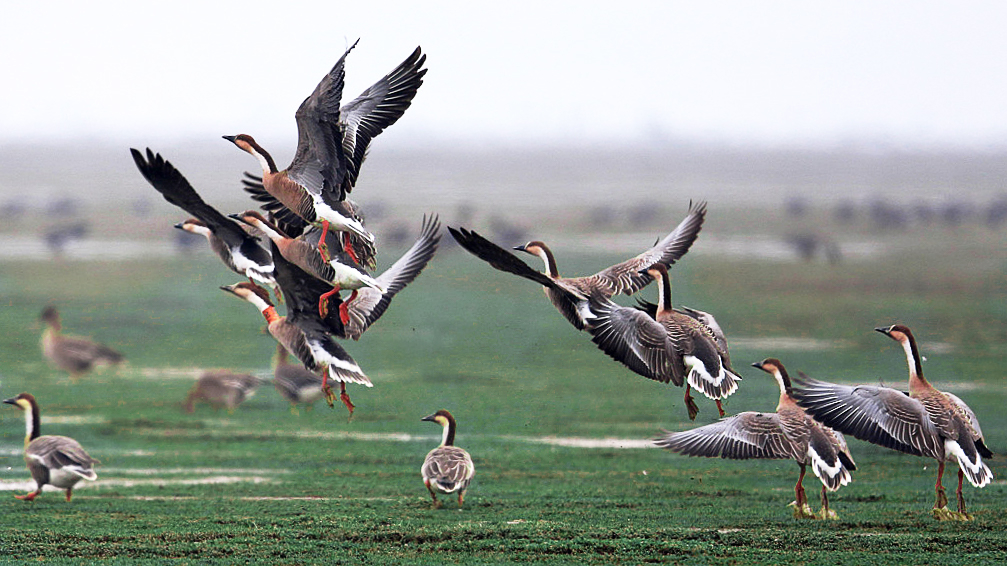
Wild birds are natural hosts and reservoirs for all types of avian influenza viruses and play a major role in the evolution, maintenance, and spread of these viruses. Avian influenza has captured the attention of the international community over the years, with outbreaks in poultry having serious consequences on both livelihoods and international trade in many countries.
Monitoring and controlling avian influenza at its poultry source are essential to decrease the virus load in susceptible avian species and environments. Implementation of biosecurity measures, in line with WOAH international standards, is key in securing the production sector and trade, safeguarding food security and the livelihoods of farmers, and limiting the risk of human infection with avian influenza strains that have zoonotic potential.
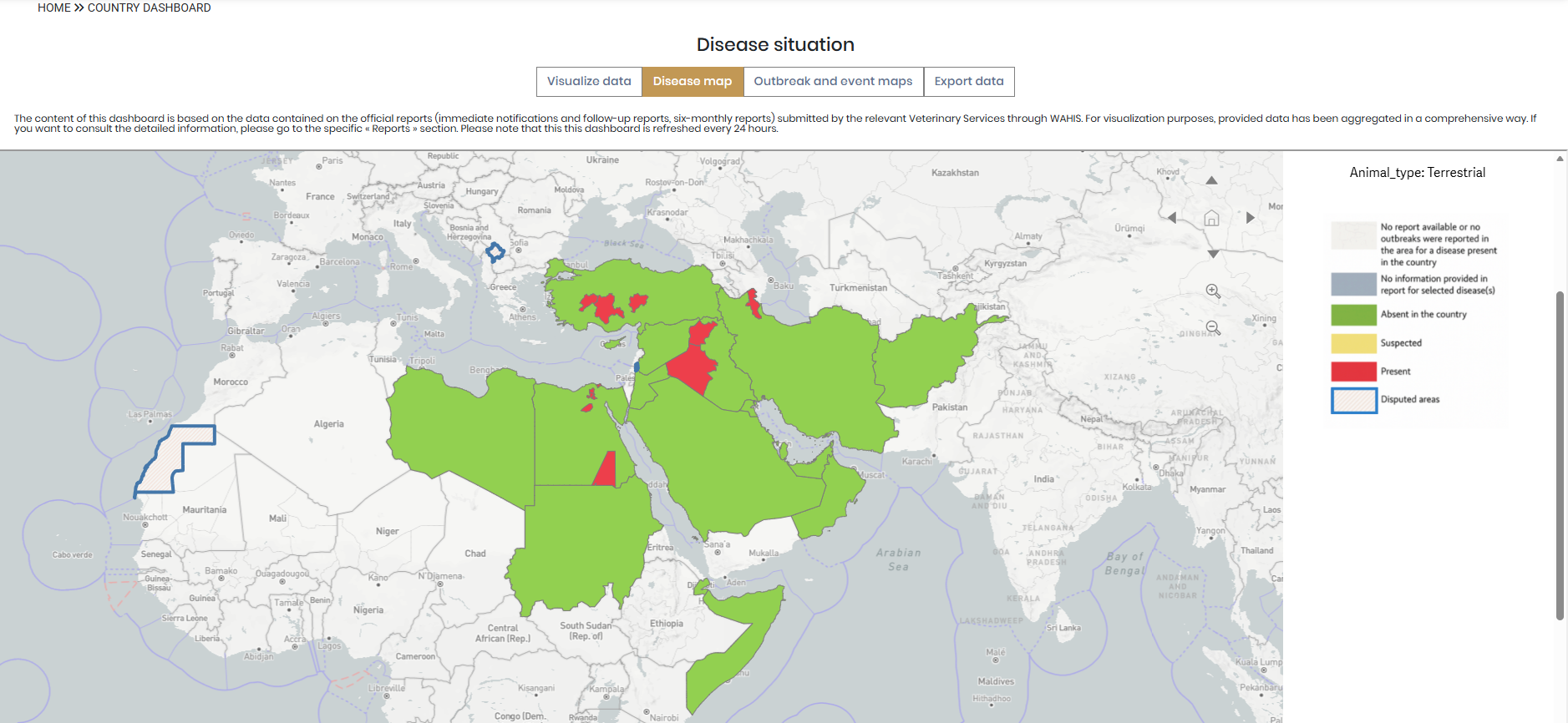
In the Middle East, recent epidemiological events have highlighted the ongoing risk of HPAI. For example, outbreaks of H5N1 have been reported in countries such as Iran and Iraq, emphasising the need for continuous regional surveillance and transparency.
The primary strategy for managing Avian Influenza involves: