Background
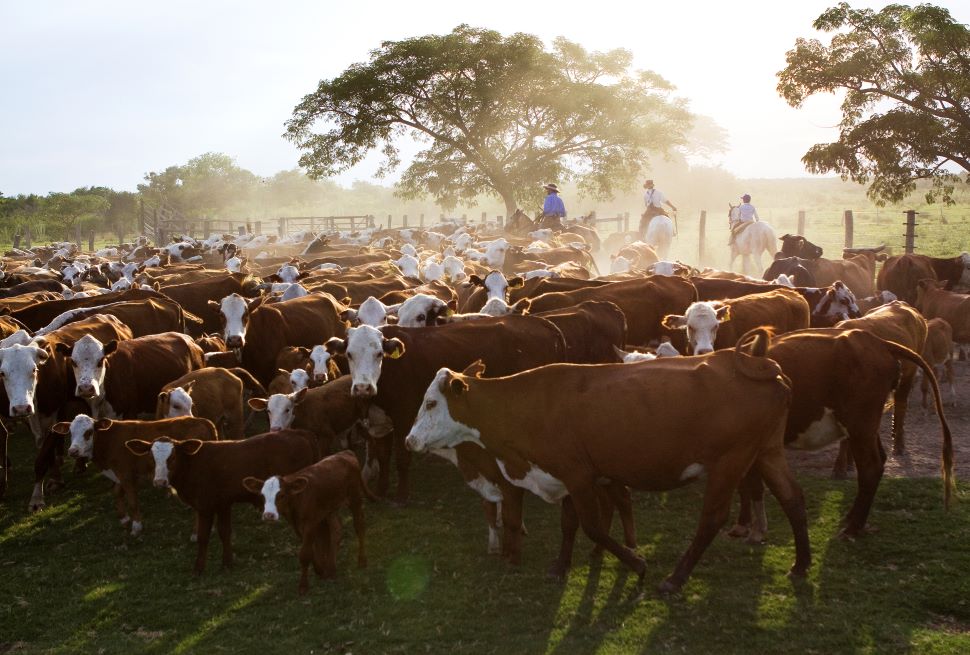
Foot-and-Mouth Disease (FMD) continues to pose a major challenge across the Middle East, with recent outbreaks of the SAT2 serotype reported in Iraq, Jordan and Türkiye. As a transboundary animal disease, FMD requires coordinated regional action and strengthened surveillance systems.
The Progressive Control Pathway for FMD (PCP-FMD), developed under the WOAH/FAO Global Strategy, provides a step-by-step framework for reducing FMD risk and supporting countries toward eventual WOAH official recognition of FMD-free status.
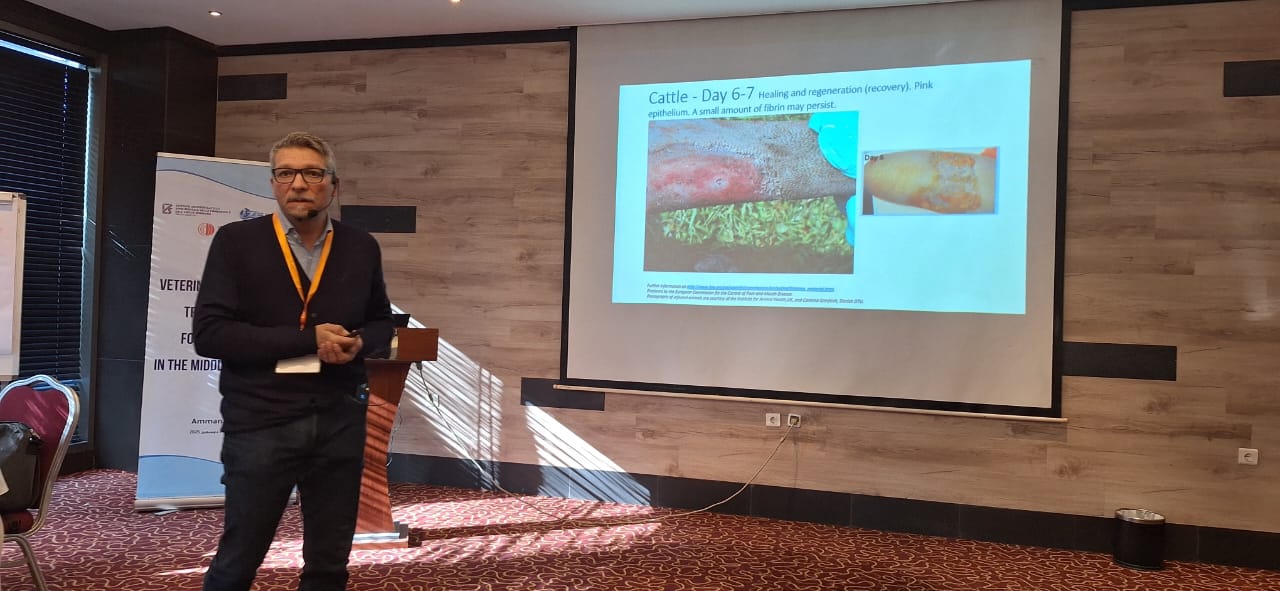
A key need identified in the region is the reinforcement of veterinary epidemiology capacity, particularly in outbreak investigation, risk-based surveillance, and evaluation of vaccination campaigns. This training responds directly to these needs.
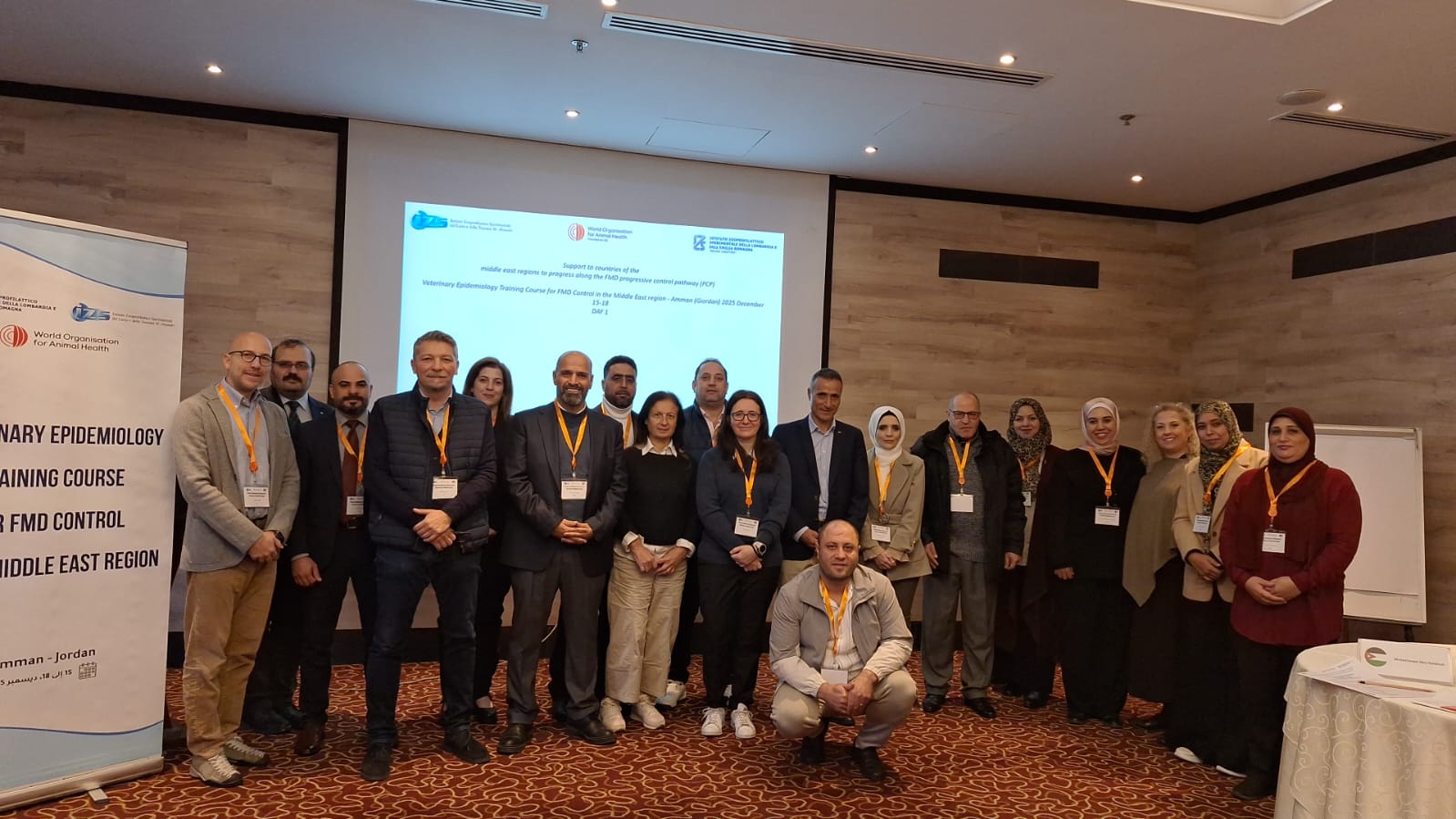
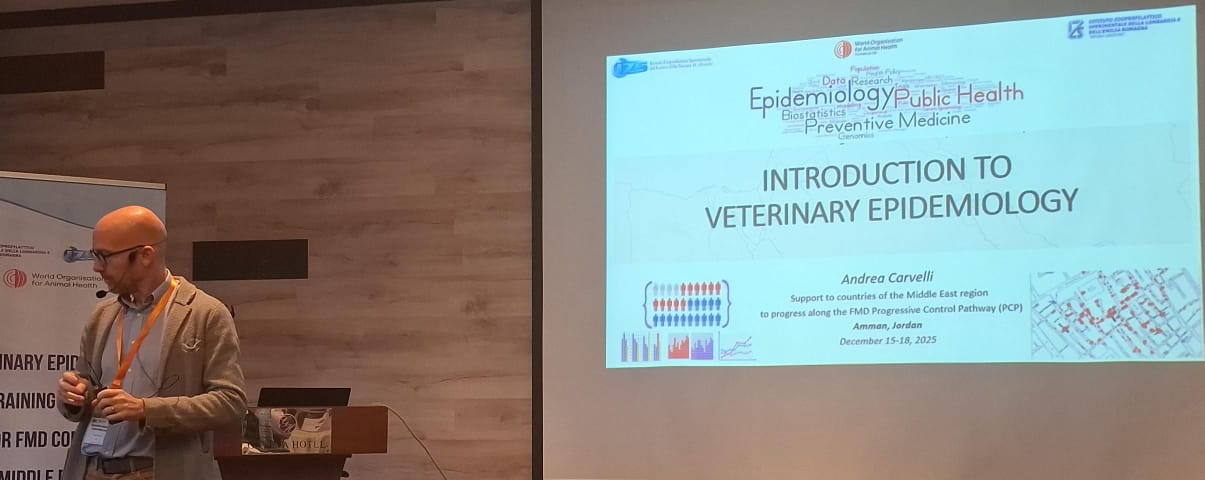
The course is delivered under the project: “Support to countries of the Middle East region to progress along the FMD Progressive Control Pathway (PCP)”, coordinated by IZSLER, in collaboration with IZSLT and aims to strengthen technical competencies that support countries in advancing along their respective PCP stages.
Funding and Support: This training course is financially supported by IZSLER (Istituto Zooprofilattico Sperimentale della Lombardia e dell’Emilia Romagna) in collaboration with IZSLT.
Funding and Support
This training course is financially supported by IZSLER (Istituto Zooprofilattico Sperimentale della Lombardia e dell’Emilia Romagna), in collaboration with IZSLT (Istituto Zooprofilattico Sperimentale Lazio e Toscana).
Objectives
This training course aims to:
Strengthen epidemiological competencies essential for effective FMD control.
Promote harmonised surveillance, prevention, and control strategies across the region.
Build capacity for the design and implementation of post-vaccination monitoring (PVM).
Support countries in evaluating the effectiveness of their national FMD vaccination campaigns in line with PCP requirements.
Target Audience
The course is intended for veterinarians, epidemiologists, and animal health professionals from public veterinary services in:
Egypt
Iraq
Jordan
Lebanon
Palestinian Autonomous Territories
Syria
Each participating country may nominate up to three participants.
Training Methods
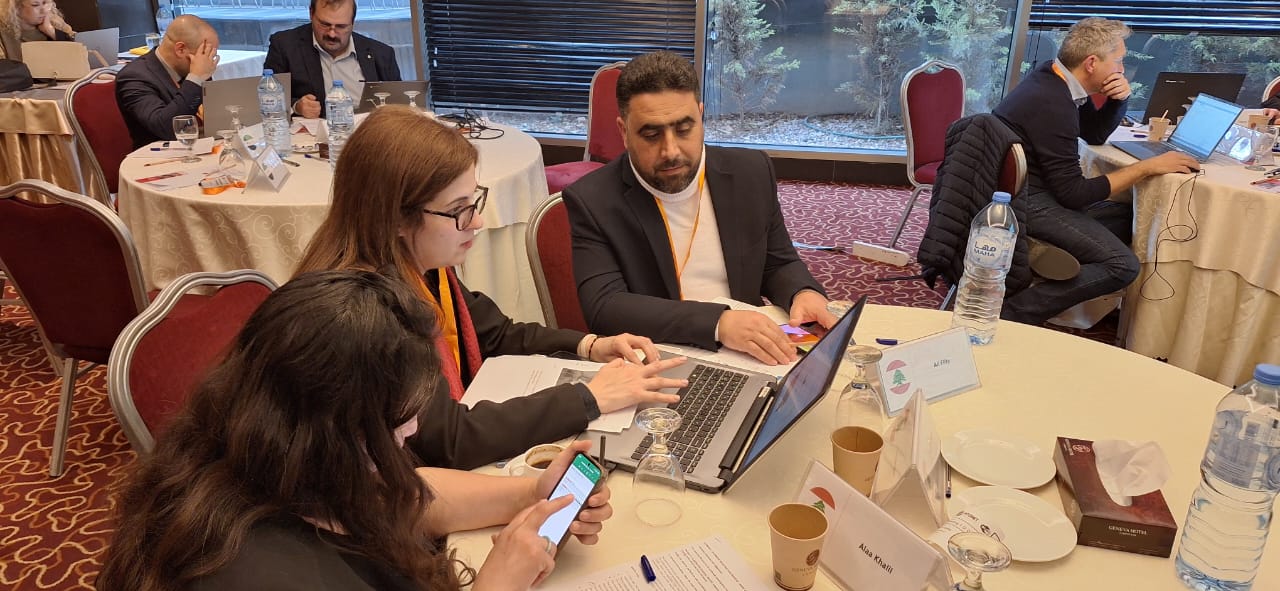
The course will combine both theoretical and practical approaches, including:
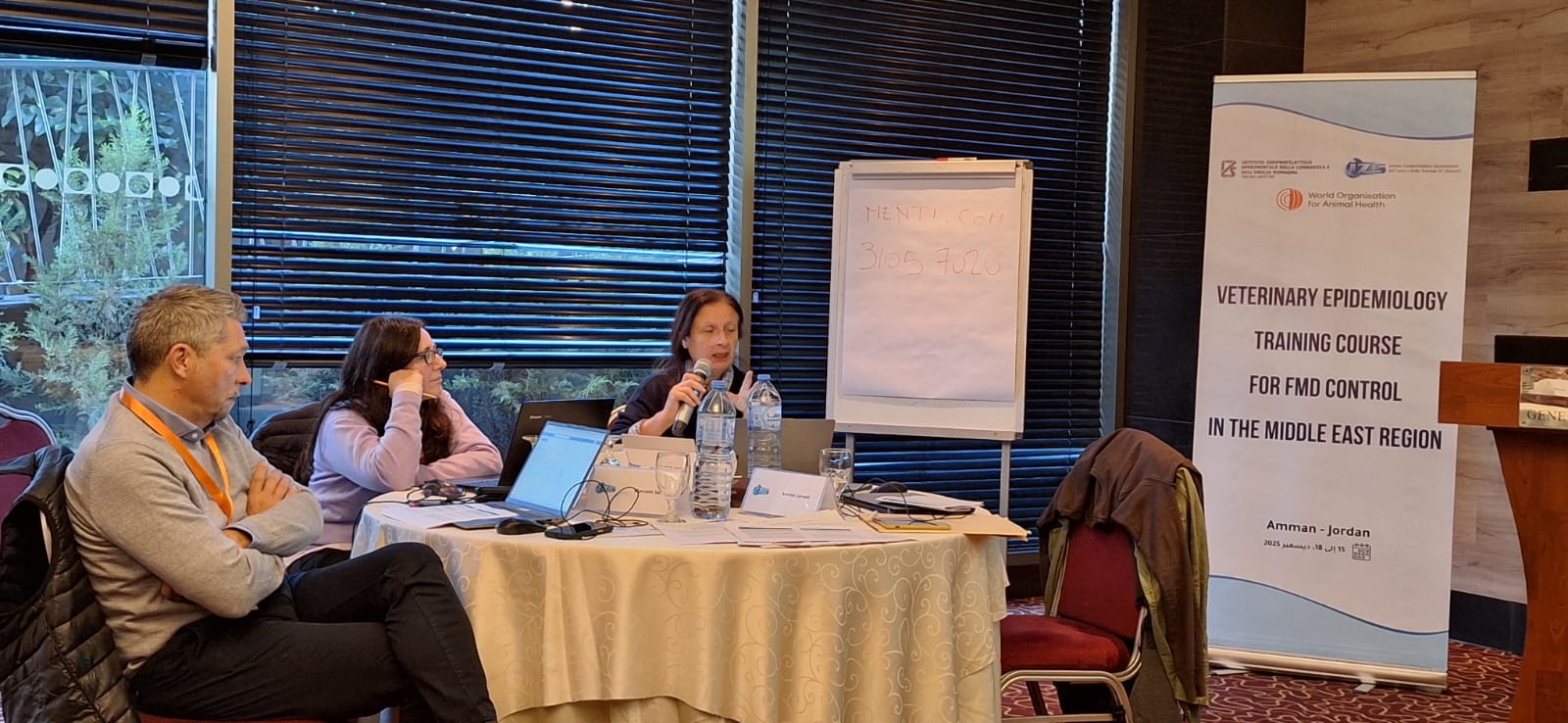
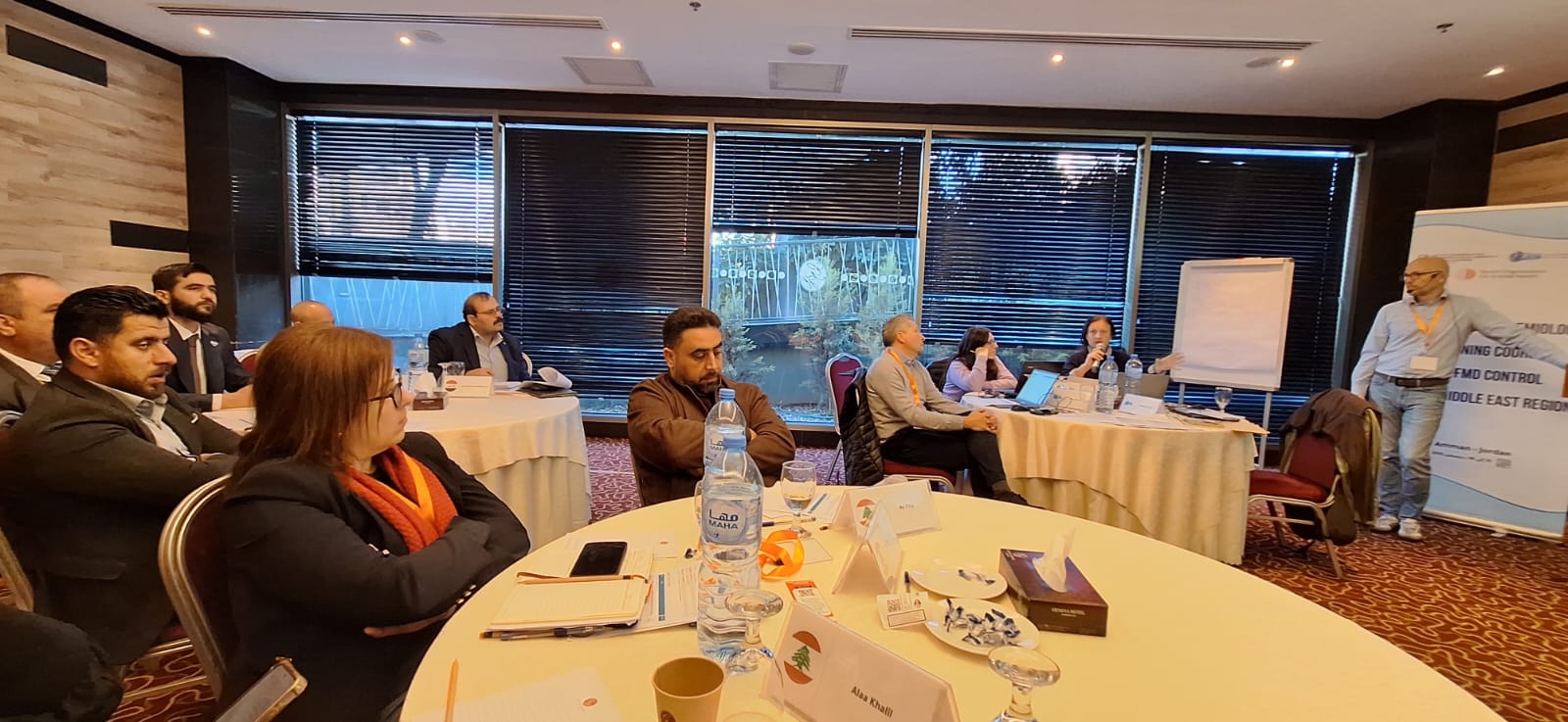
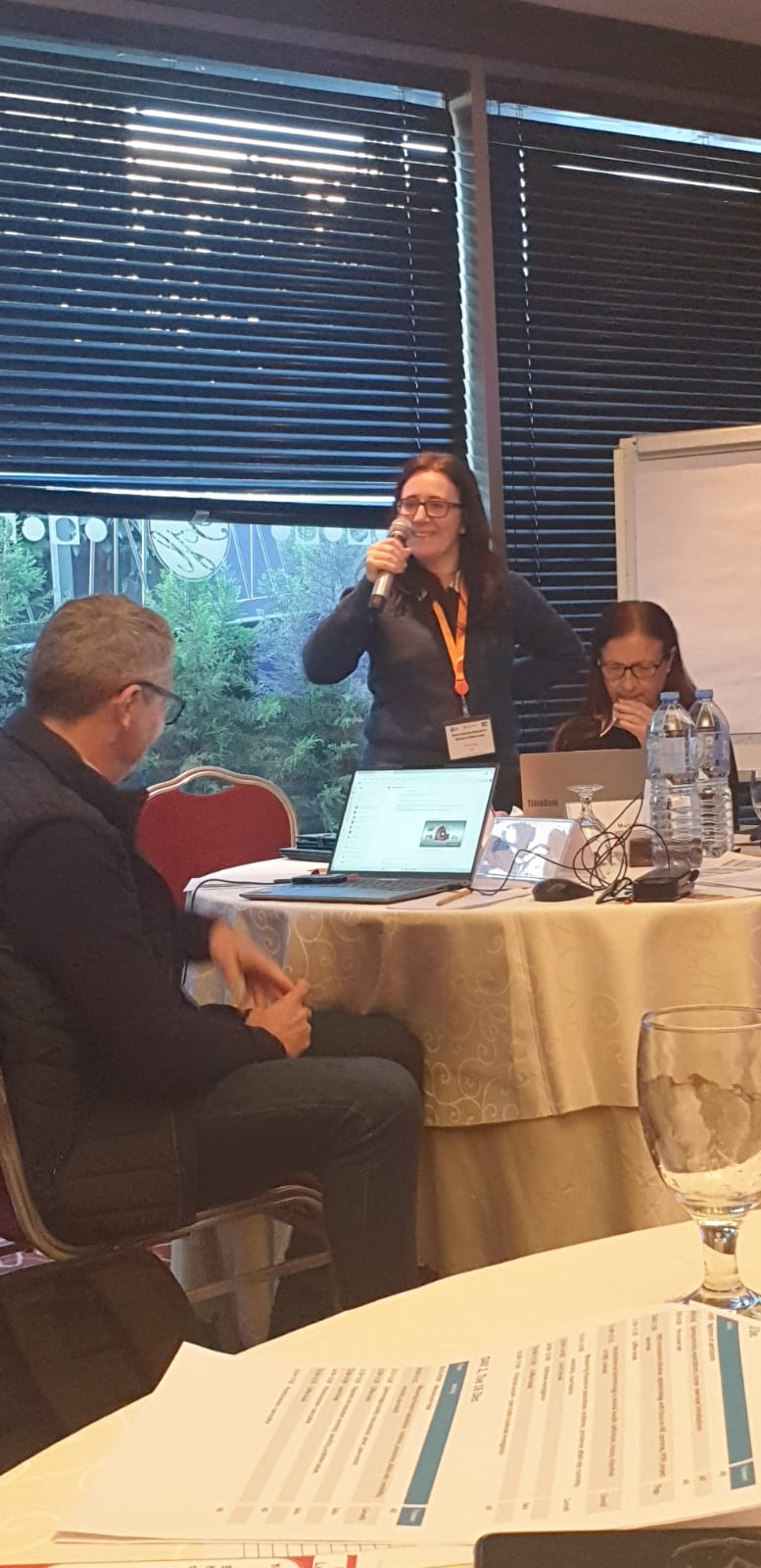
Expert-led lectures and interactive discussions
Group work and collaborative exercises
Simulation activities and applied epidemiology sessions
Expected Outcomes
By the end of the training, participants will:
Strengthen their epidemiological expertise in alignment with PCP-FMD goals
Improve their ability to implement effective FMD surveillance and outbreak response
Enhance their capacity to design and assess FMD vaccination strategies, including PVM
Contribute to improved regional harmonisation and collaboration in FMD epidemiology
Monitoring & Evaluation
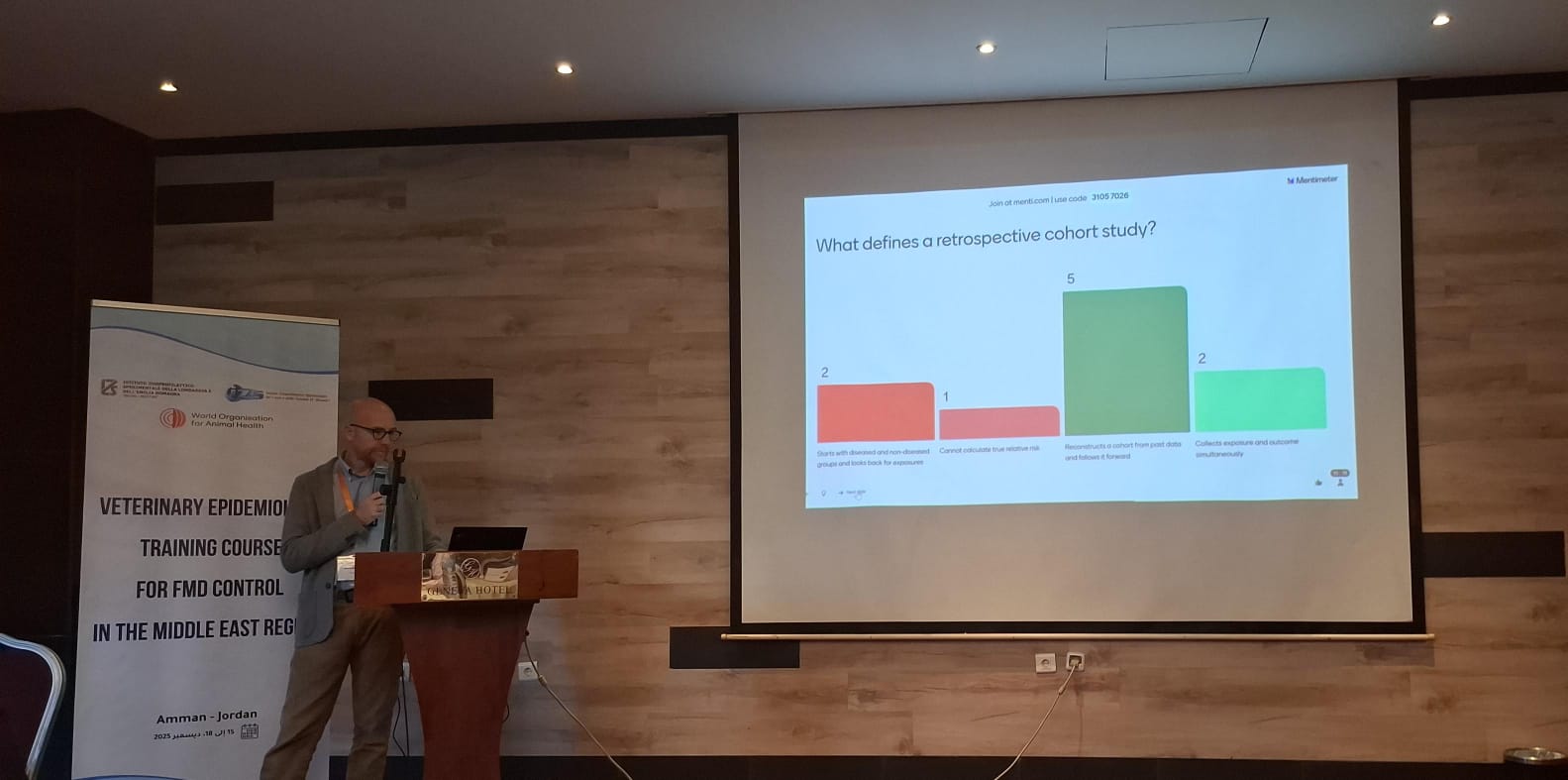
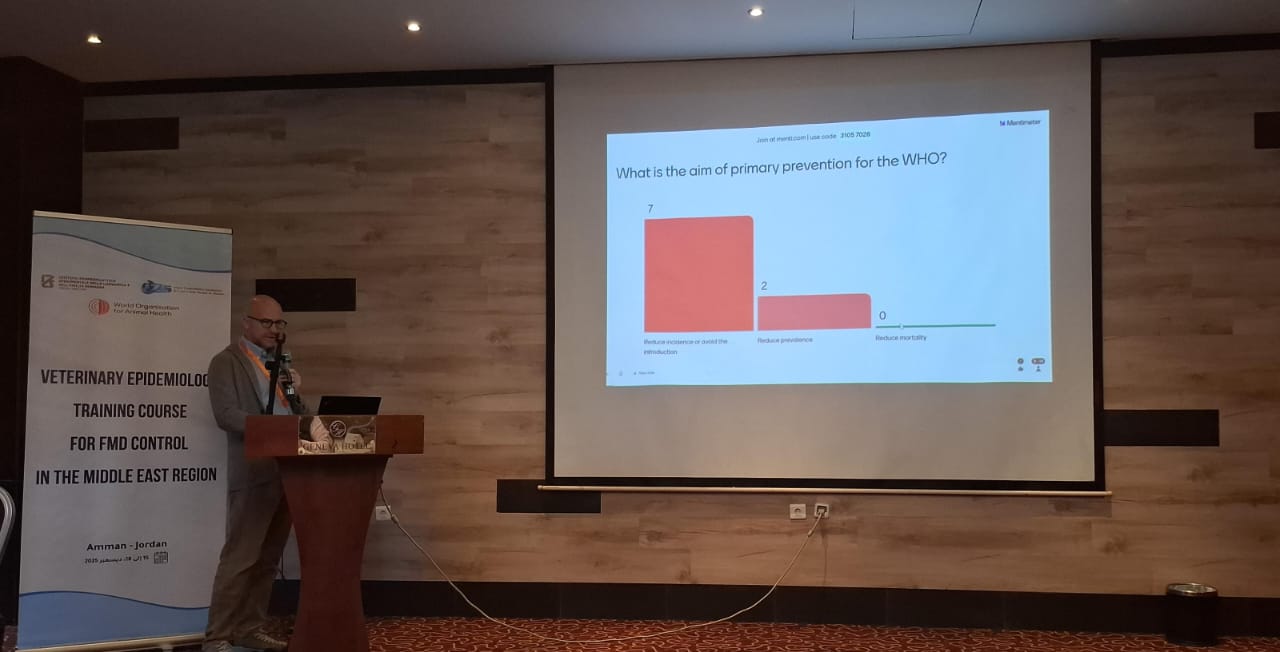
A pre- and post-training assessment will be conducted to evaluate knowledge gained.
Depending on needs identified, follow-up technical support may be considered in coordination with IZSLER.